Overview
Katana is a DeFi-focused L2, incubated by Polygon Labs and GSR. It launched on private mainnet on May 28, 2025 and went public on June 30, 2025 with over $240M in pre-deposits already at work.
The Katana app at app.katana.network is the primary venue for interacting with the chain. Users bridge in, pick a first position, and earn KAT incentives from there. Almost everything good about Katana - deep liquidity, real yield, vKAT governance - has to be reachable through that surface.
Role: UX Research and UX Design lead on the Katana application, with UI support. Tenure spans my Polygon Labs contractor period through full-time.
Role
I owned UX research and UX design for the Katana application. The shipped UI was a collaboration with the broader design and engineering team, but a lot of the forward-facing direction in production traces back to the early design work I led - the bridging flow shape, the first-time user model, and how the app frames "what to do next" on a chain that did not exist yesterday.
I was not the final UI lead. I supported UI and contributed components, and the production app evolved past my drafts in the hands of the team that took it across the finish line. The work in this case study reflects the design direction I shaped, not a claim of sole authorship over what shipped.
The problem
Two real challenges, stacked on top of each other. Either one alone is hard. Together they are most of the job.
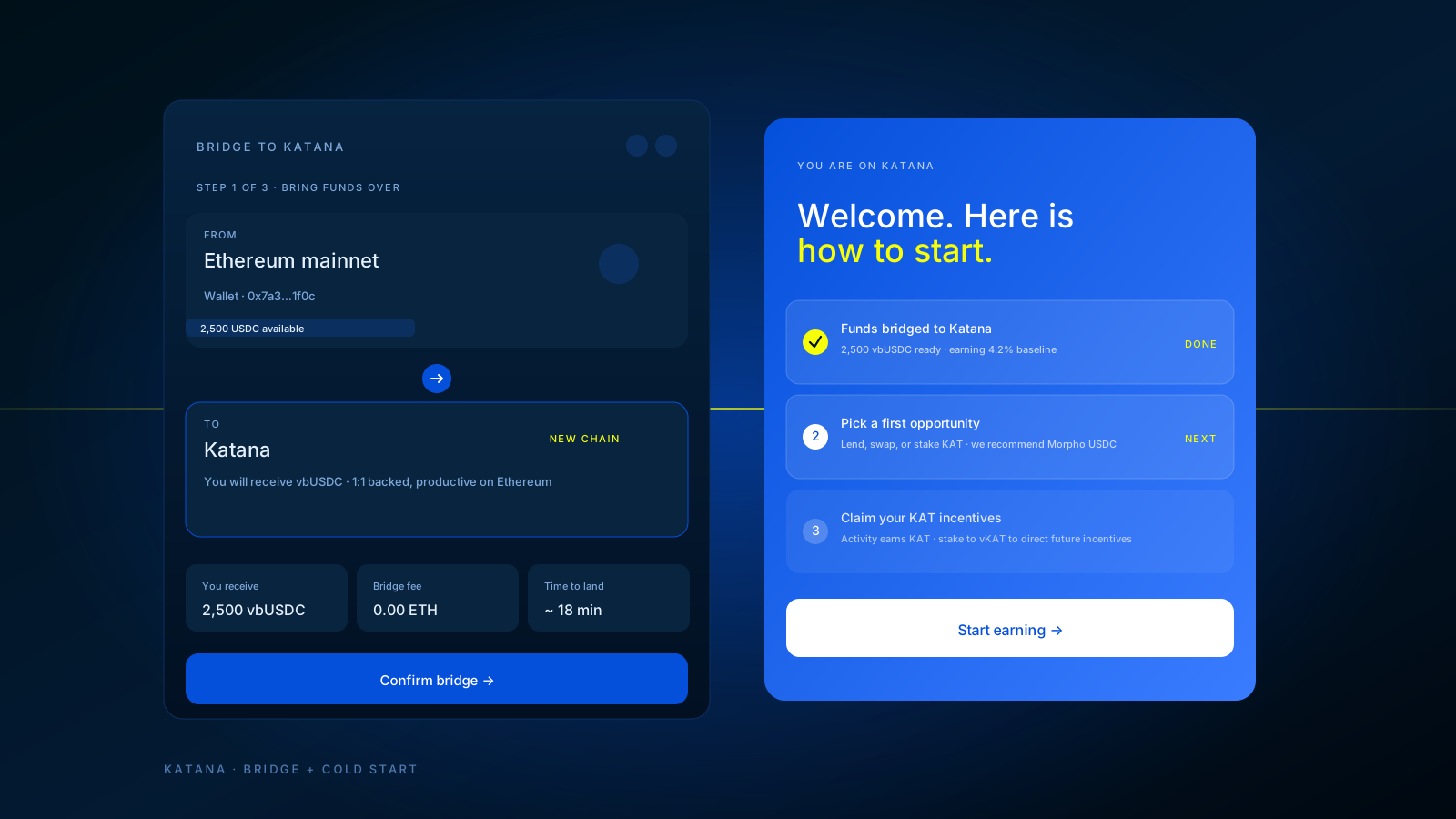
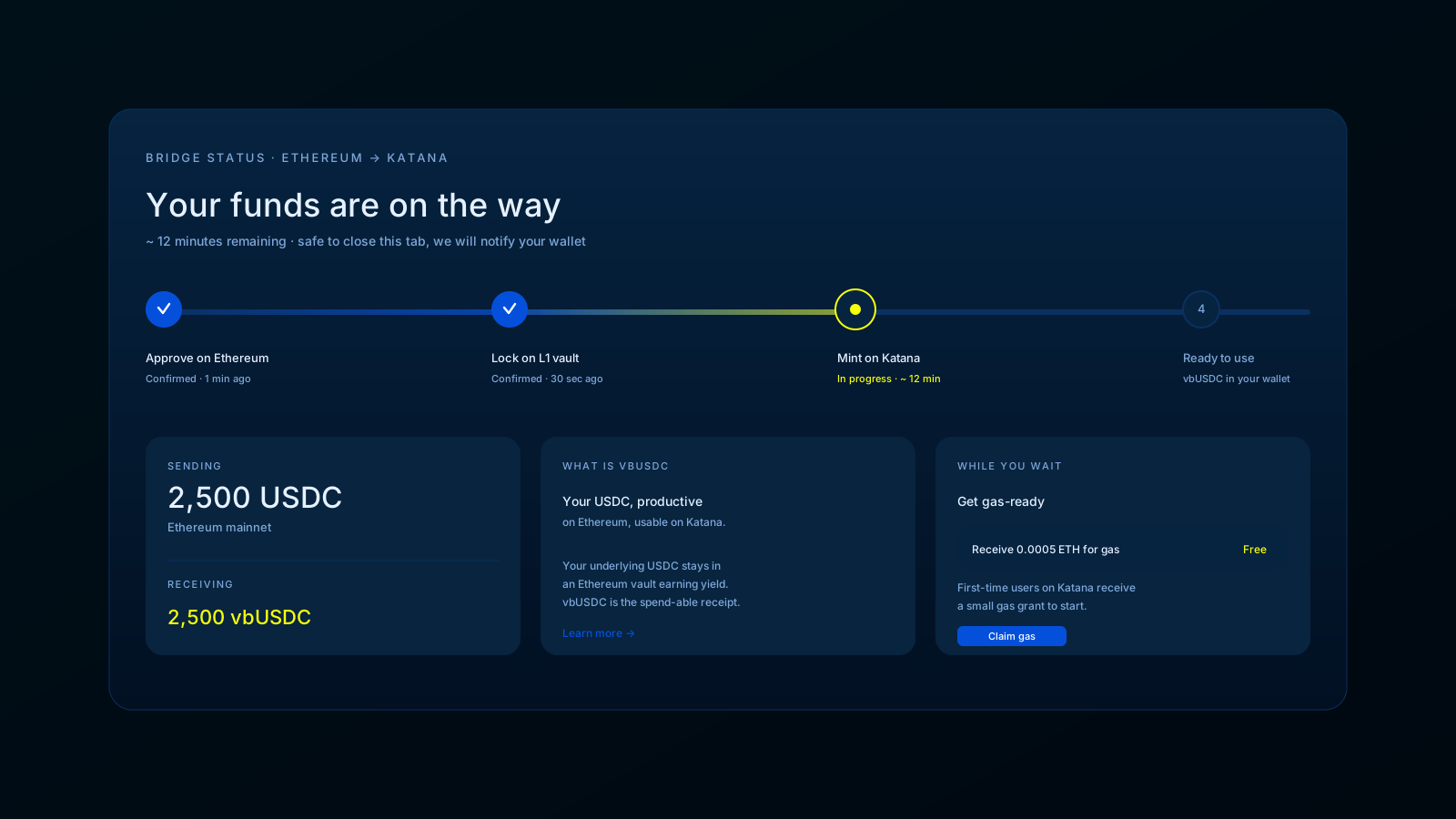
First, bridging UX. Getting funds onto a brand-new chain is friction-heavy and high-stakes. Users have to leave a chain they trust, sign approvals, accept some wait time, and arrive somewhere they have never been - holding an asset whose ticker they have never seen before (vbUSDC, vbWETH). Most of the user's anxiety in this flow is rational. The job of the design is not to dismiss it but to answer it: where are my funds right now, when do they land, what do I get, and why is this safe.
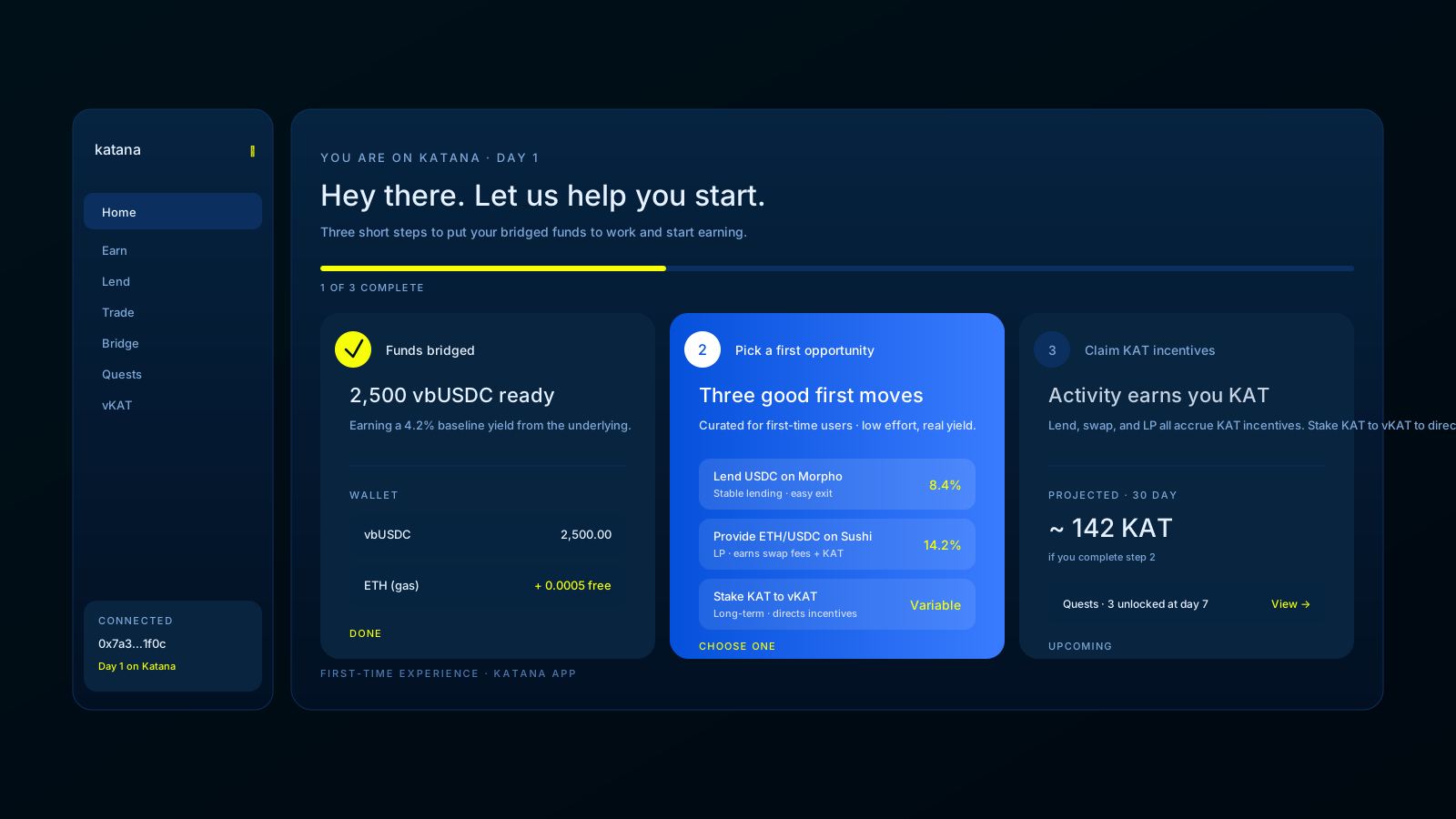
Second, the cold start. A brand-new chain has zero context for users. There is no history of "what people do here," no muscle memory, no obvious first action. Drop a user into a generic dashboard on day one and they bounce - not because the chain is bad, but because they cannot tell what good looks like yet. The application has to manufacture that context: surface a small set of credible first actions, explain why those actions are good ones, and make the path from "bridged" to "earning" feel short and legible.
Both problems compound. A user who barely trusts the bridge has even less patience for an empty dashboard on the other side. A great onboarding gets discarded if the bridge feels sketchy. The two flows had to be designed as one continuous arc.
What shipped
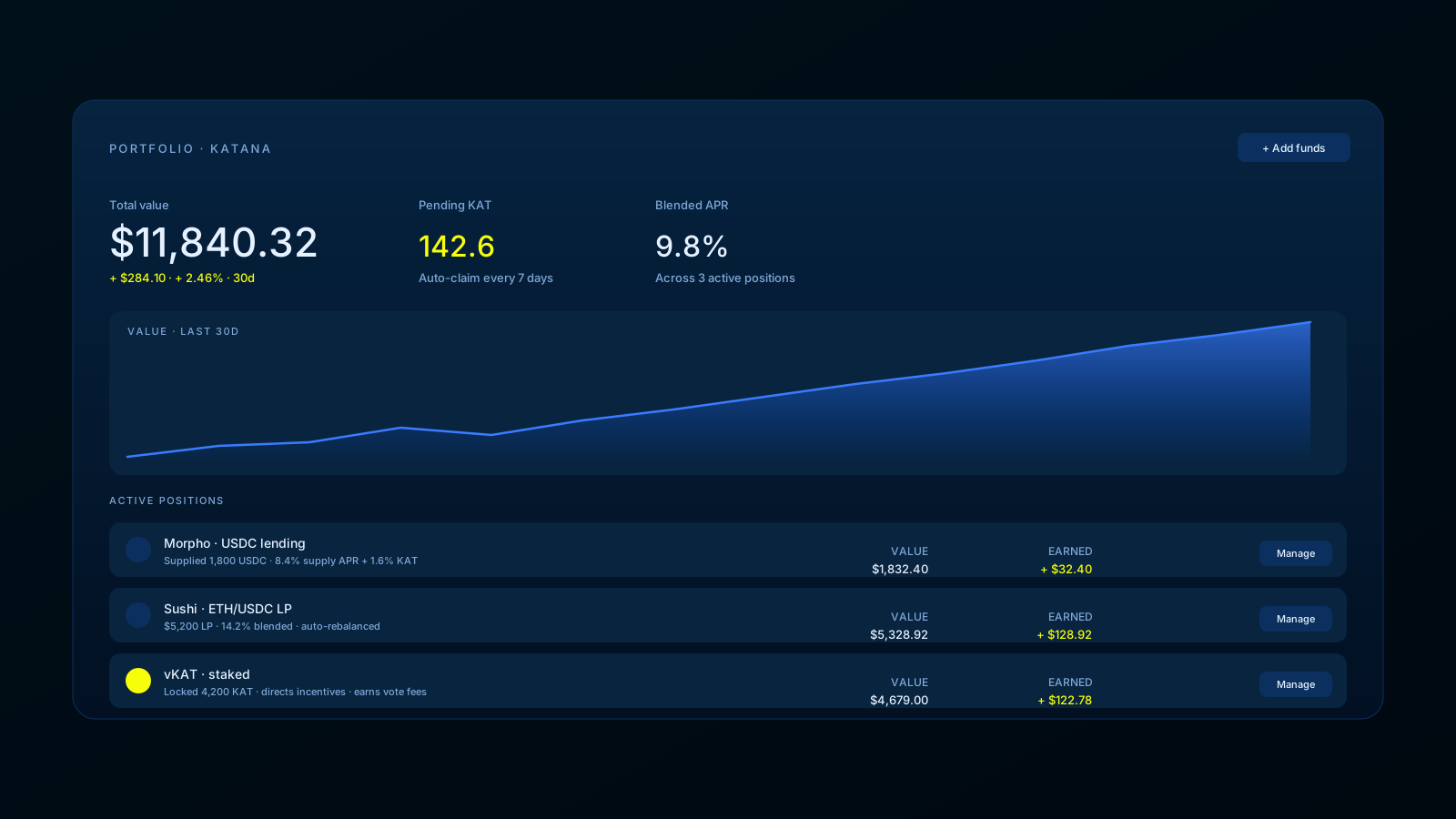
The Katana application is live at app.katana.network, with a dedicated bridge UI at bridge.katana.network. The shipped product covers the full arc: bridge in, see funds land, pick a first action across lending, LP, and KAT staking, and earn KAT incentives that feed back into vKAT governance over time.
A lot of the forward-facing direction I shipped earlier carried into production. The framing that "your bridged USDC is productive on Ethereum and spendable on Katana" became the way Vault Bridge is explained. The "tasks to do on day one" structure on the cold-start surface mirrors patterns I prototyped for first-time users. The team took those further, refined them, and shipped them - this is not a claim that I shipped the final UI alone, only that the design direction held.
Outcomes
Katana entered private mainnet on May 28, 2025 with $240M+ already pre-deposited, and went public on June 30, 2025. TVL grew past $500M within two months of public launch and currently sits around $230M, trackable live on DeFiLlama.
The chain is integrated with a focused set of core apps - Morpho for lending, Sushi for trading, Vertex for perps - and ships AUSD, a native stablecoin backed by offchain U.S. Treasuries. The full ecosystem is browsable inside the Katana app.
A note on assets
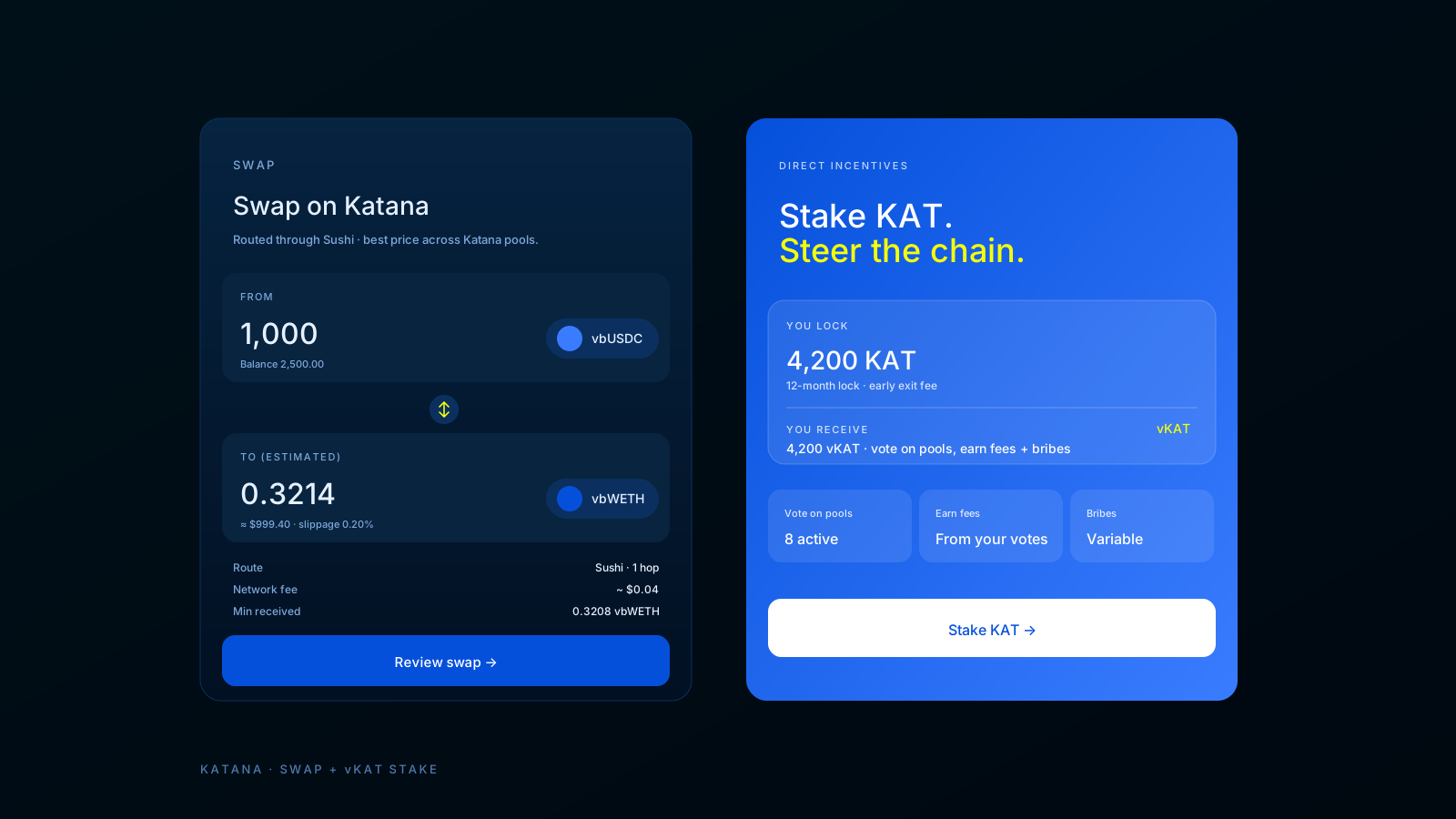
Most production assets live in the live application. The visuals shown here are placeholders representing the design direction and the challenges tackled - not the final production UI.
